Guardian
Health

Stop Blaming Your Age: There Is a “Toxic Sludge” Suffocating Your Bladder Right Now.

Cleveland Doctors Warn: If you wake up more than twice a night, it is NOT just “getting old.” It is a hidden “Prostatic Plug” that standard exams completely miss. Take this 30-second test today to flush out this blockage before it shuts off your flow forever


URGENT: If you strain to pee, read this now

By James Mitchell, Medical Health Correspondent
3 minute read
Published 4 hours ago - Updated moments ago

WARNING: Your bladder is becoming a “septic tank”


It is every man’s worst nightmare.

You wake up in the middle of the night with the urge to go. You stand over the toilet. You push. You strain. You wait.


But nothing comes out. Not a drop. 🚫


Panic sets in. Your bladder feels like it’s about to burst. The pain becomes blinding.

Next thing you know, you are in the Emergency Room, with a nurse preparing to shove a plastic tube (catheter) up your urethra just to drain the blockage.


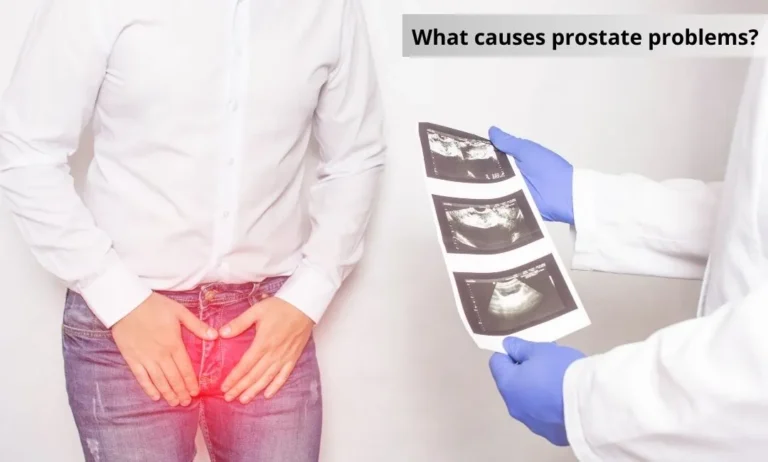
If you think this is an exaggeration, ask any urologist. It’s called Acute Urinary Retention, and if you are currently suffering from a weak stream, “dribbling,” or incomplete emptying… you are already on the path to this emergency. 📉


Why is this happening?

Every time you fail to empty your bladder completely, the leftover urine sits there. It creates a stagnant pool of bacteria inside you. It’s essentially “rotting” inside your body, creating a toxic environment that inflames the prostate even more.


Mainstream drugs often ignore this toxic buildup. They just try to force the flow.


But until you shut down the “Swelling Trigger” that is clamping your urethra shut, you are sitting on a ticking time bomb.


Don’t wait until you need a catheter to take action.

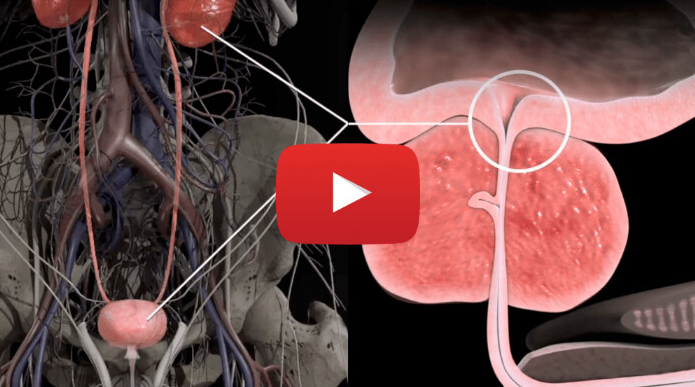
There is a way to shrink the swollen tissue naturally and flush out the toxins before total blockage occurs.


👉 Tap here to see the “De-Swelling” method that is saving men from the ER.


Do not ignore the warning signs.

Reader Comments (847)

Robert M. | Dallas, TX

Posted 2 hours ago

This explains EVERYTHING. My doctor kept telling me my prostate was "slightly enlarged" but never mentioned these muscle cells. Watching the presentation now.

Mike S. | Phoenix, AZ

Posted 3 hours ago

My urologist wanted to put me on meds but after watching this I decided to try the natural method first. Best decision ever. Sleeping through the night now.

James K. | Miami, FL

Posted 5 hours ago

I'm a retired physician and I admit, I never learned about this "prostatic muscle plug" in medical school. The science here is solid. My only regret is not finding this sooner.

David H. | Chicago, IL

Posted 6 hours ago

Was scheduled for surgery next month. Watched this and decided to give the natural approach a try. 4 weeks later my symptoms are 80% better. Cancelled surgery.

Tom R. | Boston, MA

Posted 8 hours ago

The sitting position tip alone was worth watching. I had no idea I was making my prostate worse by sitting with my ankle on my knee. Changed that immediately.

Richard L. | Seattle, WA

Posted 9 hours ago

Finally something that makes sense. I've been drinking the tonic every morning for a week and the flow is already stronger. Feeling hopeful again.

Referências Científicas

Scientific References


Harvard University Stanford University Yale University Columbia University

Prosta Peak is not endorsed by, sponsored by, or affiliated with any of these organizations.

  1. Roehrborn CG. Benign prostatic hyperplasia: an overview. Rev Urol. 2005;7 Suppl 9(Suppl 9):S3-S14.
  2. Abrams P. LUTS, BPH, BPE, and BPO: A Plea for the Logical Use of Correct Terms. Rev Urol. 1999 Spring;1(2):65.
  3. Silverman WM. "Alphabet soup" and the prostate: LUTS, BPH, BPE, and BOO. J Am Osteopath Assoc. 2004 Feb;104(2 Suppl 2):S1-4.
  4. Abrams P. New words for old: lower urinary tract symptoms for "prostatism". BMJ. 1994 Apr 09;308(6934):929-30.
  5. Roehrborn CG. Pathology of benign prostatic hyperplasia. Int J Impot Res. 2008 Dec;20 Suppl 3:S11-8.
  6. Parsons JK. Benign Prostatic Hyperplasia and Male Lower Urinary Tract Symptoms: Epidemiology and Risk Factors. Curr Bladder Dysfunct Rep. 2010 Dec;5(4):212-218.
  7. Chughtai B, Forde JC, Thomas DD, Laor L, Hossack T, Woo HH, Te AE, Kaplan SA. Benign prostatic hyperplasia. Nat Rev Dis Primers. 2016 May 05;2:16031.
  8. Schenk JM, Calip GS, Tangen CM, Goodman P, Parsons JK, Thompson IM, Kristal AR. Indications for and use of nonsteroidal antiinflammatory drugs and the risk of incident, symptomatic benign prostatic hyperplasia: results from the prostate cancer prevention trial. Am J Epidemiol. 2012 Jul 15;176(2):156-63.
  1. Sutcliffe S, Grubb III RL, Platz EA, Ragard LR, Riley TL, Kazin SS, Hayes RB, Hsing AW, Andriole GL., Urologic Diseases in America Project. Non-steroidal anti-inflammatory drug use and the risk of benign prostatic hyperplasia-related outcomes and nocturia in the Prostate, Lung, Colorectal, and Ovarian Cancer Screening Trial. BJU Int. 2012 Oct;110(7):1050-9.
  2. Nygård LH, Talala K, Taari K, Tammela TLJ, Auvinen A, Murtola TJ. The effect of non-steroidal anti-inflammatory drugs on risk of benign prostatic hyperplasia. Prostate. 2017 Jun;77(9):1029-1035.
  3. Kukko V, Kaipia A, Talala K, Taari K, Tammela TLJ, Auvinen A, Murtola TJ. Allopurinol and risk of benign prostatic hyperplasia in a Finnish population-based cohort. Prostate Cancer Prostatic Dis. 2018 Sep;21(3):373-378.
  4. Foster CS. Pathology of benign prostatic hyperplasia. Prostate Suppl. 2000;9:4-14.
  5. Isaacs JT. Antagonistic effect of androgen on prostatic cell death. Prostate. 1984;5(5):545-57.
  6. Gann PH, Hennekens CH, Longcope C, Verhoek-Oftedahl W, Grodstein F, Stampfer MJ. A prospective study of plasma hormone levels, nonhormonal factors, and development of benign prostatic hyperplasia. Prostate. 1995 Jan;26(1):40-9.
  7. Rohrmann S, Smit E, Giovannucci E, Platz EA. Association between markers of the metabolic syndrome and lower urinary tract symptoms in the Third National Health and Nutrition Examination Survey (NHANES III). Int J Obes (Lond). 2005 Mar;29(3):310-6.
  8. Nygård LH, Talala K, Taari K, Tammela TLJ, Auvinen A, Murtola TJ. Antidiabetic drugs, glycemic control and risk of benign prostatic hyperplasia. Prostate. 2023 Feb;83(3):246-258.

Up next

Copyright 2025
All rights reserved.

The content on this website is for informational purposes only and should not be considered medical advice. We recommend consulting a qualified healthcare professional before making any changes to your health regimen. If you have any existing medical conditions or concerns, please seek guidance from your physician.

It is always advisable to conduct independent research and verify information from multiple sources before making health-related decisions. Consult your doctor before following any suggestions mentioned on this site or in relation to the promoted product.

Individual results may vary. The testimonials shared on this page represent personal experiences and are not indicative of guaranteed results.

This website does not provide medical diagnosis, treatment, or professional healthcare advice. Always seek the opinion of a licensed medical professional for any health-related inquiries.

Privacy Policy

Terms of Service

Disclosure Agreement

Disclaimer

About Us

Contact

Copyright 2025
All rights reserved.